
Courses
Bachelor of Medical Radiology and Imaging Technology (B.MRIT)
Course Description
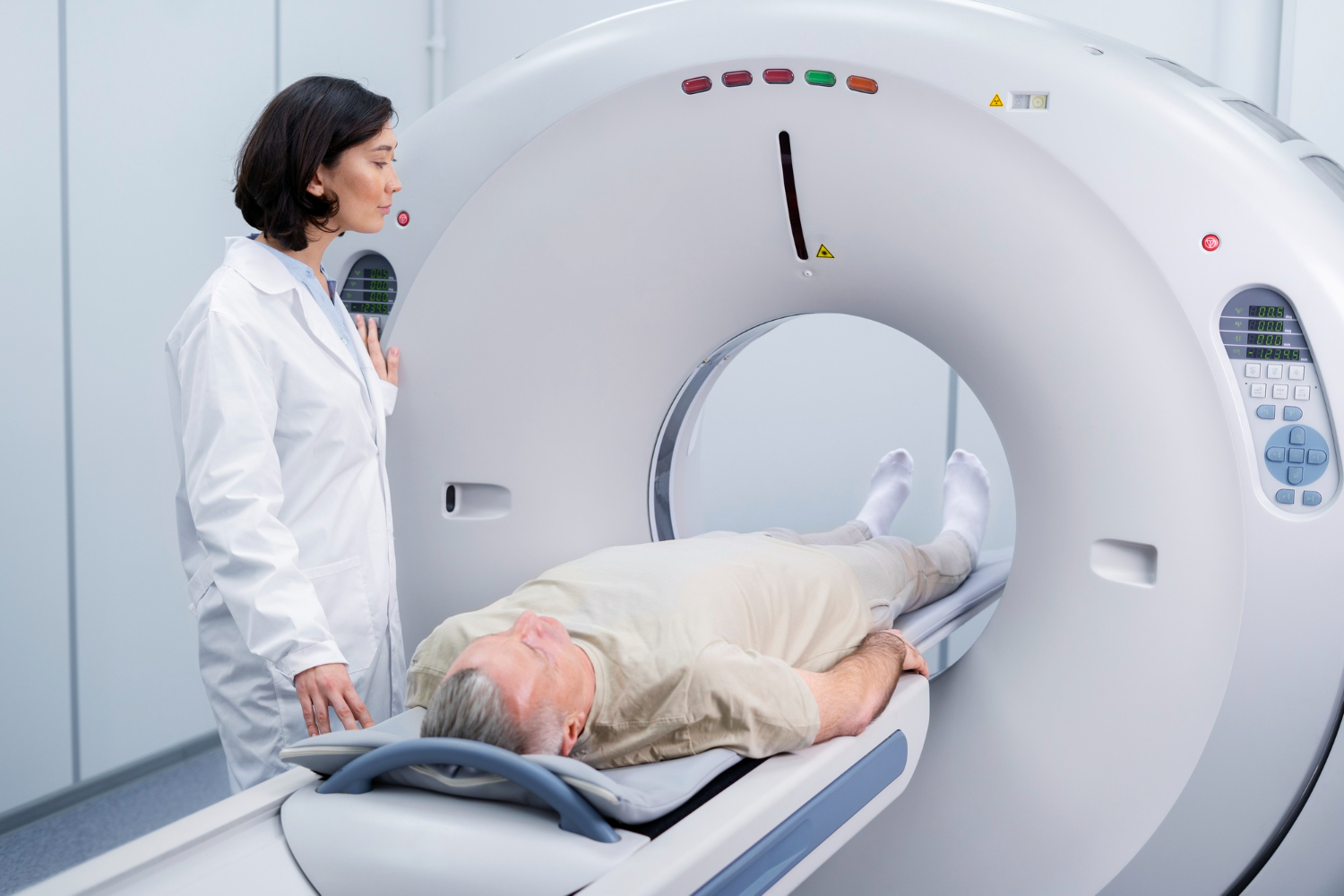
Bachelor of Medical Radiology and Imaging Technology (B.MRIT) is a four-year programme that trains students to operate advanced diagnostic imaging equipment and produce high-quality medical images for diagnosis. The curriculum covers radiation physics, human anatomy, physiology, radiographic techniques, X-ray, fluoroscopy, ultrasound, CT, MRI, interventional radiology support, digital imaging, radiation protection, quality assurance, and patient care. Students learn positioning techniques, image evaluation, contrast-media handling, equipment maintenance, and safety protocols. Radiography supports diagnosis using X-ray, fluoroscopy, ultrasound, CT, MRI, angiography, and PET imaging.
Internships
Students receive clinical training in radiology departments, CT and MRI units, ultrasound rooms, interventional radiology suites, emergency imaging sections, and cancer-care imaging centres. Internship learning includes patient positioning, exposure-factor selection, contrast administration support, radiation-safety practices, image-quality checks, equipment handling, PACS usage, and emergency imaging procedures. Training may be arranged in multi-speciality hospitals, diagnostic imaging centres, and tertiary-care hospitals.
Jobs / Scope in Government & Law Enforcement
Graduates can apply for radiographer, imaging technologist, X-ray technician, CT technologist, and MRI technologist posts in government hospitals, medical colleges, ESIC, Railways, defence medical services, and state health departments. Opportunities also exist in forensic imaging, medico-legal documentation, disaster-response medical teams, and industrial radiological-safety units. Public-health screening programmes and trauma-care networks also require skilled imaging professionals.
Jobs / Scope in Healthcare & Hospitals
B.MRIT graduates work as radiographers, CT technologists, MRI technologists, ultrasound technologists, interventional radiology technologists, PACS coordinators, and imaging-quality officers. Employers include hospitals, diagnostic imaging chains, cancer centres, trauma centres, cardiac hospitals, research institutions, and medical-equipment companies.
Career Prospects
Career progression includes senior radiographer, imaging supervisor, CT/MRI specialist, radiology department manager, clinical application specialist, and academic faculty. Higher study options include M.MRIT, M.Sc. Radiology & Imaging Technology, medical physics, and healthcare administration. Demand is strong due to the expansion of diagnostic imaging, cancer detection, trauma care, and technology-driven hospitals.

Eligibility
- Pass in 10+2 / Intermediate with Physics, Chemistry, Biology/Mathematics, and English.
- Minimum aggregate marks as prescribed by the university and regulatory authority.
- Candidates should have scientific aptitude and comfort with technology.
- Admission is generally merit-based or through the university’s admission process.