
Courses
M.Sc. Medical Biotechnology
Course Description
M.Sc. Medical Biotechnology is a two-year postgraduate programme that provides advanced training in the application of biotechnology to human health, disease diagnosis, therapeutics, and medical research. The curriculum includes advanced molecular biology, cell biology, immunology, medical microbiology, genetics, genomics, proteomics, recombinant DNA technology, genetic engineering, bioprocess technology, vaccine development, stem-cell technology, molecular diagnostics, bioinformatics, and research methodology. Students develop advanced laboratory, analytical, and research skills for careers in healthcare biotechnology and biomedical research.
Internships
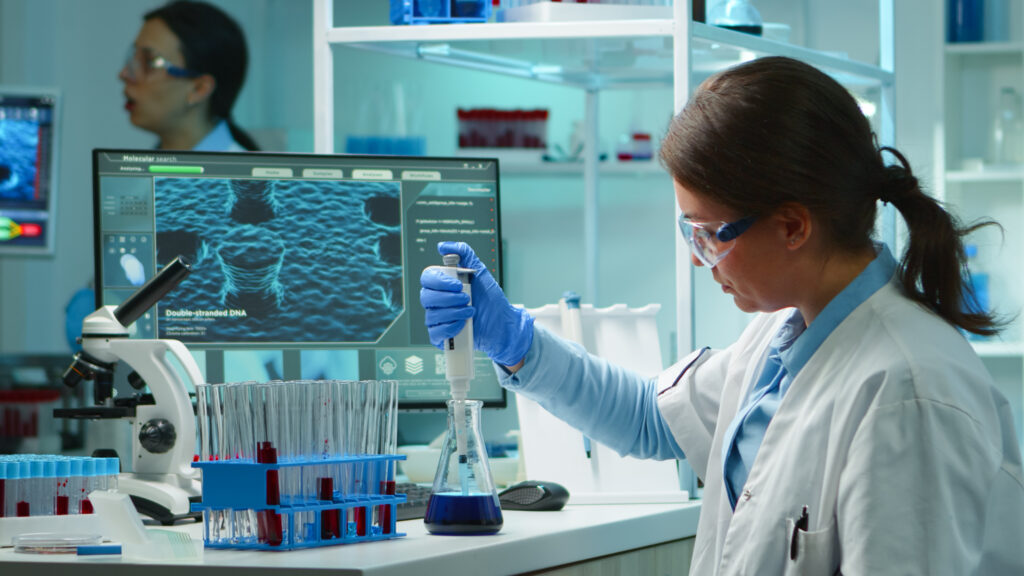
Students complete advanced training in molecular-diagnostic laboratories, hospital research units, biotechnology companies, vaccine-manufacturing facilities, pharmaceutical firms, cancer-research centres, and genomics laboratories. Training includes PCR and real-time PCR, DNA and RNA analysis, cell culture, immunological assays, ELISA, flow-cytometry concepts, recombinant-protein expression, molecular diagnostics, quality control, and dissertation research. Students may work on projects related to infectious diseases, cancer, genetics, immunology, or biopharmaceuticals.
Jobs / Scope in Government & Law Enforcement
Graduates can apply for scientific officer, research associate, molecular-biologist, laboratory analyst, and quality-assurance roles in government medical colleges, research institutes, public-health laboratories, forensic science laboratories, and biotechnology regulatory bodies. Opportunities exist in DNA fingerprinting, forensic biology, toxicology, disease surveillance, outbreak investigation, and biological-evidence analysis. Their molecular expertise is valuable in forensic DNA work and public-health emergency response.
Jobs / Scope in Healthcare & Hospitals
Graduates work as molecular-diagnostic specialists, research associates, clinical-research professionals, biopharmaceutical specialists, genetic-testing analysts, and laboratory managers. Employers include hospitals, diagnostic laboratories, cancer-research centres, fertility clinics, vaccine companies, pharmaceutical firms, biotechnology companies, and clinical-research organisations.
Career Prospects
Career paths include medical-biotechnology specialist, molecular-research scientist, clinical-research professional, diagnostics-product specialist, biopharmaceutical executive, genomics analyst, and academic researcher. Higher study options include Ph.D. in Biotechnology, Molecular Medicine, Genetics, Microbiology, Bioinformatics, and allied research fields. Growth in molecular diagnostics, personalised medicine, biologics, vaccines, gene therapy, and precision healthcare creates strong career opportunities.

Eligibility
- Bachelor’s degree in Medical Biotechnology / Biotechnology / Life Sciences / Microbiology / Biochemistry / Genetics / Bioinformatics or an equivalent degree, as permitted by the university.
- Minimum marks as prescribed by the university.
- Relevant laboratory or research experience may be preferred.
- Admission may be through merit, entrance examination, or interview.