
Courses
B.Sc. Agriculture
Course Description
B.Sc. Agriculture is a four-year undergraduate programme that provides scientific and practical training in crop production, soil science, horticulture, plant breeding, agricultural engineering, animal husbandry, agricultural economics, plant protection, and agribusiness management. The curriculum combines classroom learning with field work, laboratory practicals, farm training, and rural agricultural experience. Students learn modern farming methods, sustainable agriculture, precision farming, irrigation management, pest and disease control, post-harvest technology, and agricultural marketing. The programme prepares graduates to improve farm productivity, support rural development, and build careers in agriculture, agribusiness, research, and public-sector services.
Internships
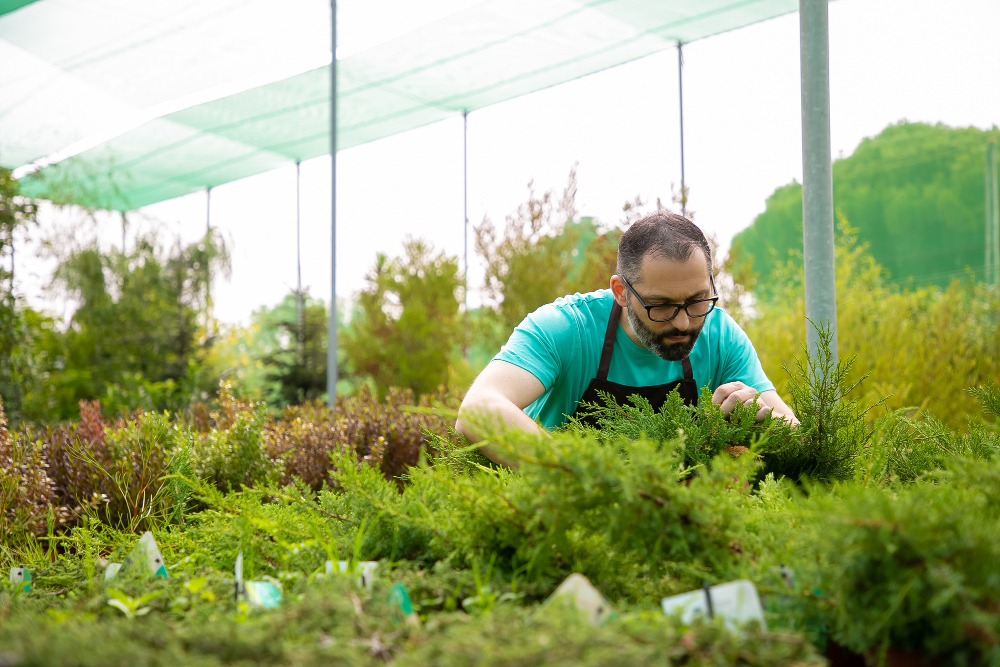
Students undergo practical training in university farms, research stations, horticulture nurseries, seed companies, fertilizer and pesticide companies, food-processing units, agribusiness firms, and rural extension centres. Internship activities include soil testing, seed treatment, crop planning, irrigation scheduling, pest scouting, plant-disease diagnosis, livestock management, farm-record maintenance, and farmer interaction. Students may also participate in village attachment programmes, KVK-based training, agri-input marketing, and rural development projects.
Jobs / Scope in Government & Law Enforcement
Graduates can apply for Agricultural Officer, Agriculture Extension Officer, Horticulture Officer, Soil Conservation Officer, Seed Officer, Plant Protection Officer, Field Officer, and Rural Development Officer posts in State Agriculture Departments, Horticulture Departments, KVKs, ICAR institutes, NABARD, FCI, seed corporations, and rural-development agencies. Opportunities also exist in forest departments, soil-testing laboratories, irrigation departments, and agricultural universities. Graduates may support crop-insurance verification, food-grain quality inspection, pesticide regulation, seed certification, and rural livelihood programmes.
Jobs / Scope in Healthcare & Hospitals
Agriculture graduates contribute indirectly to healthcare through nutrition security, food safety, medicinal plant cultivation, herbal-product development, and community nutrition programmes. They may work in food-processing companies, nutraceutical firms, herbal and ayurvedic product companies, organic farms, and public-health nutrition projects. Their knowledge supports safe food production, reduction of pesticide residues, supply of nutritious crops, and development of functional foods.
Career Prospects
Career options include agronomist, horticulturist, soil scientist, plant-breeding assistant, seed-production officer, agribusiness executive, farm manager, food-processing executive, agricultural journalist, and rural-development professional. Higher study options include M.Sc. Agriculture, MBA in Agribusiness, M.Sc. Food Technology, M.Sc. Environmental Science, and Ph.D. programmes. Growing demand for sustainable farming, food processing, organic agriculture, agri-startups, and climate-smart agriculture creates strong career opportunities.

Eligibility
- Pass in 10+2 / Intermediate with Physics, Chemistry, Biology/Mathematics/Agriculture, and English.
- Minimum aggregate marks as prescribed by the university and regulatory authority.
- Interest in farming, plant science, rural development, and agribusiness is desirable
- Admission may be based on merit, state agricultural entrance examination, or university-specific selection process.