
Courses
B.Sc. Biotechnology & Bioinformatics
Course Description
B.Sc. Biotechnology & Bioinformatics is an interdisciplinary undergraduate programme that combines biological sciences with computational analysis, data science, and information technology. The curriculum includes cell biology, biochemistry, genetics, molecular biology, microbiology, biotechnology, bioinformatics, programming, database management, genomics, proteomics, computational biology, drug discovery, biostatistics, and research methodology. Students learn to analyse biological data, use bioinformatics tools, understand DNA and protein sequences, and support research in healthcare, agriculture, pharmaceuticals, and biotechnology.
Internships
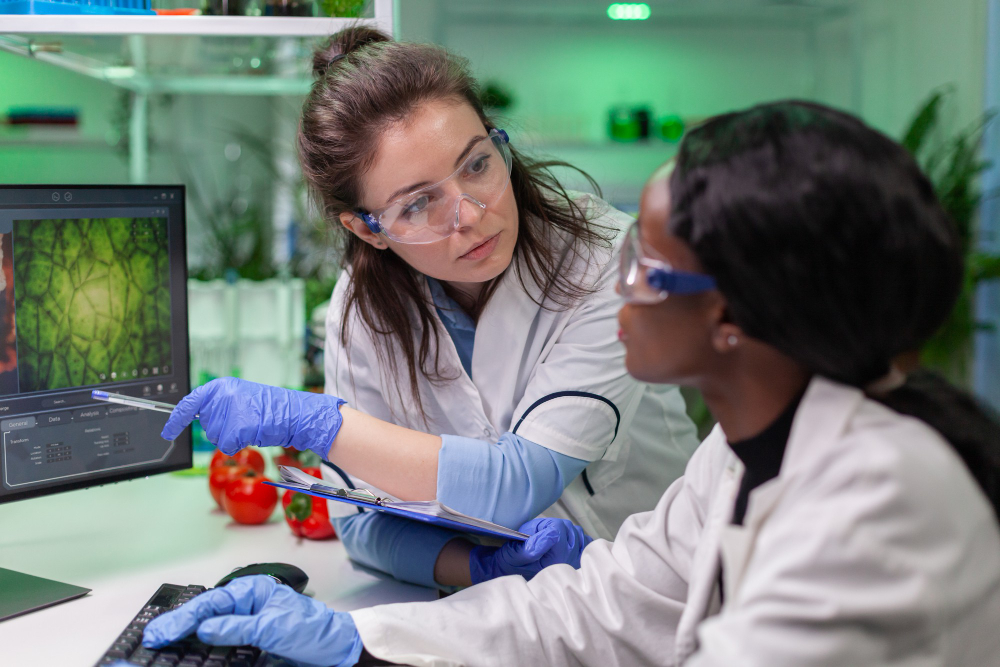
Students complete training in biotechnology laboratories, bioinformatics units, pharmaceutical companies, genomics laboratories, agricultural-research institutes, IT companies, and healthcare-research organisations. Internship activities include DNA and protein sequence analysis, molecular-biology practicals, database searching, programming exercises, biological-data analysis, molecular modelling, drug-discovery support, and research reporting. Students may work on projects involving genomics, microbial genomics, drug design, or agricultural biotechnology.
Jobs / Scope in Government & Law Enforcement
Graduates can apply for bioinformatics assistant, scientific assistant, research assistant, data-analysis officer, and laboratory technician roles in government research institutes, biotechnology parks, agricultural universities, forensic science laboratories, and public-health agencies. Bioinformatics skills are useful in DNA sequence analysis, forensic genetics, pathogen genome surveillance, biological-data management, and cyber-enabled scientific investigation. Opportunities may also exist in data-driven disease surveillance and biosecurity-related programmes.
Jobs / Scope in Healthcare & Hospitals
Graduates work as bioinformatics analysts, genomics-data assistants, molecular-research associates, clinical-research coordinators, pharmaceutical-data analysts, and laboratory-technology specialists. Employers include hospitals, diagnostic laboratories, cancer-research centres, pharmaceutical companies, genomics companies, biotechnology firms, and health-data analytics organisations.
Career Prospects
Career options include bioinformatics analyst, computational biologist, genomics-data analyst, biotechnology research associate, drug-discovery analyst, clinical-research professional, and health-data analyst. Higher study options include M.Sc. Biotechnology & Bioinformatics, M.Sc. Bioinformatics, M.Sc. Medical Biotechnology, M.Sc. Data Science, and Ph.D. programmes. Growth in genomics, precision medicine, drug discovery, biological data science, and AI-enabled healthcare creates strong career prospects.

Eligibility
- Pass in 10+2 / Intermediate with Physics, Chemistry, Biology/Mathematics, and English.
- Minimum aggregate marks as prescribed by the university and regulatory authority.
- Interest in biology, computers, data analysis, and research is desirable.
- Admission may be merit-based or through the university’s admission process.